
King Living: aligning price architecture with customer value
King Living generated $4.1 million in incremental EBITDA after implementing Pricing Insight’s advice. The engagement combined a strategic pricing diagnostic with a review of price architecture across product configurations, materials, upgrades and the wider customer offer.
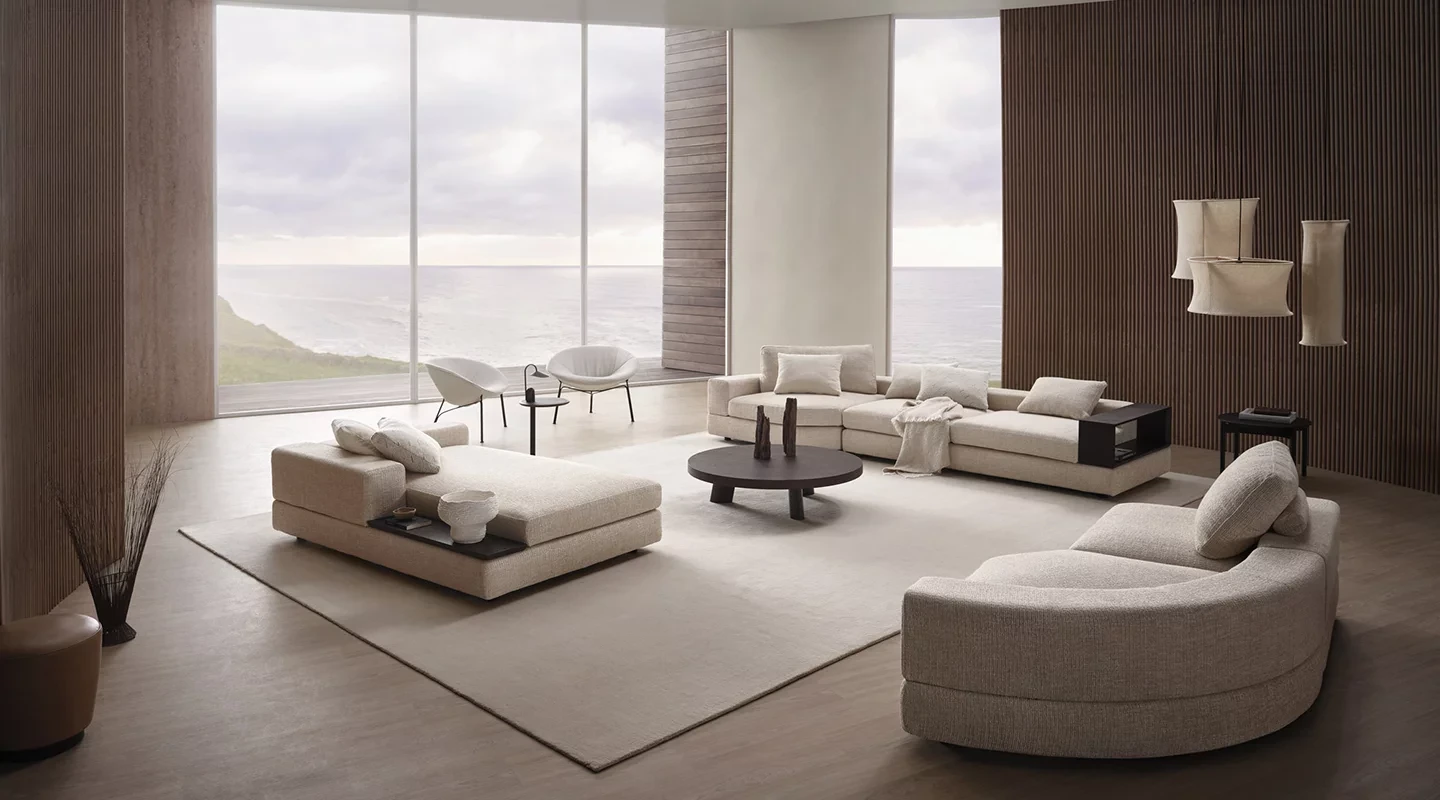
A distinctive product offer needs a clear pricing structure
King Living is an Australian furniture designer, manufacturer and retailer whose offer combines modular design, customisation and long-lasting construction. Its control of design and manufacturing creates multiple ways to differentiate the customer offer, from the configuration of a sofa to the materials, accessories and service supporting the purchase.
That breadth of choice creates a pricing challenge. Prices need to reflect meaningful differences in value while remaining coherent across ranges, packages, finishes and material grades.
For the leadership team, the question was not simply whether prices should rise. It was where the business could capture more value, how the relationships between prices could be improved, and which opportunities warranted further development.
Looking beneath category averages
Pricing Insight examined sales and realised selling prices across 2020–2022, working through the product hierarchy from broad categories to individual packages and material grades. The analysis compared pricing movements, sales concentration and the relationships between related configurations.
This level of detail mattered. A category average could conceal very different patterns within a range, including inconsistent price movements between comparable products and uneven premiums for a different finish or configuration.
The diagnostic combined:
- Transaction analysis: Reviewing selling prices, quantities and revenue by product group, range, package, finish type and material grade.
- Price architecture analysis: Comparing the price steps between related configurations and the premiums attached to fabric, leather and other options.
- Market context: Considering furniture-price inflation, competitor positioning and differences in the breadth of price points across categories.
- Customer experience assessment: Using showroom visits and mystery shopping to examine how product value was explained and how customers were helped to choose.
The objective was to identify selective opportunities, not assume that every item could support the same increase.
Making product and upgrade prices work together
A central finding was that the price relationships between packages and material grades were not always consistent. The premium for moving between two related configurations could vary considerably depending on the fabric or leather selected.
Pricing Insight used detailed comparisons within the Jasper II range to demonstrate the issue. Examining comparable configurations made it possible to separate the price of the underlying package from the additional amount associated with a finish or upgrade.
The recommendations focused on a more coherent price architecture: clearer relationships between related products, more consistent premiums where justified, and deliberate choices about entry, mid-range and premium price points.
The review also considered the role of add-ons. Accessories, cushioning options and other features were assessed as part of the overall customer offer, rather than treated as minor additions disconnected from the value of the main purchase.
This approach connected price optimisation to product choice. The commercial opportunity was to improve how value was captured across the range while retaining an understandable path for customers to select and upgrade.
Extending the review beyond the furniture price
The diagnostic examined delivery and set-up as distinct parts of the customer experience. Pricing Insight recommended considering a model that separated the transport charge from the service involved in setting up the furniture and removing packaging.
Showroom observations also highlighted opportunities to strengthen consultative selling. The report introduced Pricing Insight’s proprietary Customer Experience Value Canvas to structure an assessment of product benefits, purchase support, fulfilment and the risks customers wanted to avoid.
The recommendations connected pricing with how value was communicated. A better price structure would be more effective when the showroom conversation helped customers understand the relevant differences between products, finishes and options.
The broader review also examined postcode-level demand, household income, population and the existing store network. This provided an additional basis for discussing targeted marketing, customer reactivation and potential new-store locations.
A practical basis for management decisions
Pricing Insight delivered a diagnostic pack setting out the findings, opportunity estimates and recommended next steps. The work distinguished nearer-term pricing and service-charge opportunities from longer-term sales capability and market-development initiatives.
Following the findings discussion, King Living requested further examination of the postcode marketing and new-store analysis with members of its senior team. The diagnostic gave management a detailed basis for deciding where to focus subsequent work.
The outcome: $4.1 million in incremental EBITDA
King Living subsequently implemented Pricing Insight’s advice and generated $4.1 million in incremental EBITDA. Pricing Insight provided the diagnostic analysis and recommendations; King Living carried the advice through into implementation.
The engagement demonstrates how transaction-level analysis, price architecture and customer value can work together to improve profitability. Rather than reducing pricing to a single percentage increase, the work identified opportunities across the relationships between products, upgrades and services.
Find the opportunities in your price architecture
A pricing review can reveal where product relationships, upgrades and service charges no longer reflect customer value. Explore our strategic pricing diagnostic or contact Pricing Insight to discuss your business.
By Ron Wood, Pricing Insight. Photography: King Living.
Related projects
Let’s work together
Whether you're ready to optimise your pricing or want to explore what's possible, we'd love to hear from you.