
How do you hold a price premium against irrational competitors, aggressive procurement and volatile cost movements?
Unlock annualised EBIT equal to 1.75–2.5% of revenue within 90 days
You have built the range, the plant, the technical support and the delivery network your customers rely on. Then a competitor with spare capacity drops price to fill a line, a buyer puts that quote on the table, and the next cost increase arrives before the last one was recovered. Margin seldom goes in one decision. It drains away through eight familiar habits: value that is never defined, prices built up from cost, a commodity mindset, discounts given to win or keep business, procurement out-negotiating the sales team, increases that never reach the invoice, price structures too tangled to manage, and leaders pulling in different directions.
Eight disciplines win it back: list prices, customer discount levels, overrides, rebates, channel pricing, price optimisation, volume and mix. You know your customers and your plant better than anyone. We bring 30 years of real-world pricing experience, including our work with building products manufacturers and distributors, and practical, step-by-step techniques that improve revenue, margins and profitability.
Building products clients include Fletcher Insulation, Laminex, InfraBuild, Stramit, Tradelink and Oliveri Solutions. 160+ clients since 2007 in Australia, New Zealand, Asia, India, the US and the UK.
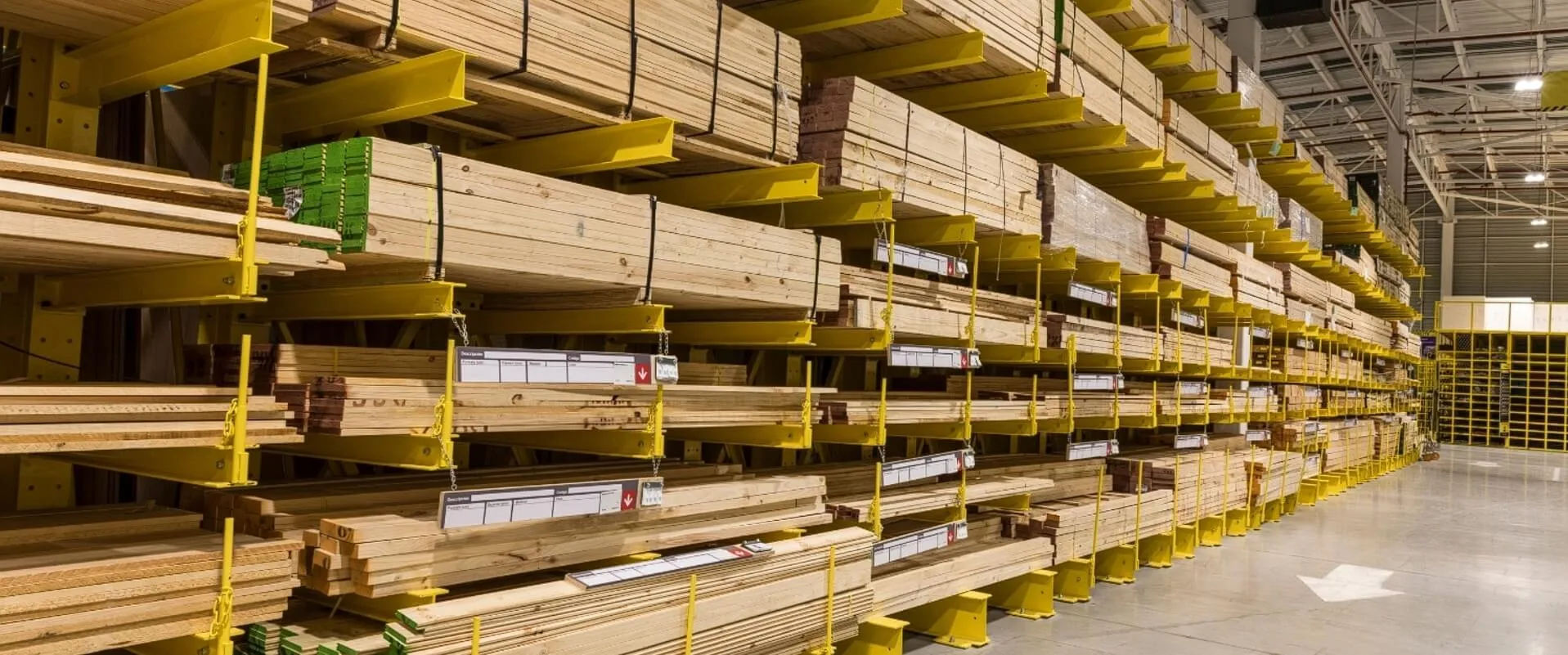
Three pressures that squeeze building materials margins
None of them is new. What has changed is that they now arrive together, and each one is a pricing decision as much as a market condition.
Competitors who price irrationally
- A rival with spare capacity, an importer clearing stock or a new entrant buying share sets a price that makes no commercial sense.
- Your sales team hears that price on every call and starts to treat it as the market.
Procurement that negotiates for a living
- Large contractors, distributors and buying groups train their buyers to anchor on price, split volume and squeeze at the deadline.
- Sales reps are rarely trained to the same standard, so concessions come early and come free.
Costs that move faster than prices
- Energy, freight, steel, timber, resin and labour costs move inside the quarter, while price lists and project quotes move once a year.
- Each increase recovered late becomes the base for the next one, and the gap compounds.
Eight ways margin erodes, and eight ways to win it back
Our 16 margin techniques set out where margin leaks and where it can be recovered. In building materials, each one takes a familiar form.
Eight ways margin erodes
Undefined value drivers
Reps lead with price because nobody has put a dollar figure on specification, availability or technical support.
Cost-plus pricing
Prices built up from a cost sheet, so what the market will pay never enters the calculation.
Commodity mindset
“It is all the same product” becomes the sales story, and price matching becomes the strategy.
Discounting to win or keep business
Price is the first concession on every tender, and customers learn to wait for it.
Out-negotiated by procurement
Trained buyers face reps with no brief, no walk-away point and nothing to trade.
Price increases that do not stick
Increases announced late, waived on request and never checked at the invoice.
Tangled price structures
Layered discounts, project specials and legacy deals that nobody can explain or control.
Management misalignment
Sales chases volume, finance chases margin, and the price falls between them.
Eight ways to win it back
List prices
Price relativities across the range set by value and market position, not by cost-plus history.
Customer discount levels
Clear tiers for contractors, distributors and project accounts, with entry and exit rules.
Overrides and tactical discounts
Approval limits by role, deal size and product class, with a reason code for every exception.
Rebates
Paid against growth, range or full-load hurdles, and visible when the quote is written.
Channel pricing
Net prices that reflect the cost to serve each channel, from direct project supply to distribution.
Price optimisation
To recover costs and drive margin expansion and sustainable earnings growth.
Volume management
Margin contribution by customer and product, so volume targets stop rewarding unprofitable work.
Mix management
Good, better and best ranges, with targets that move sales towards the specified, higher-margin lines.
A 1% price rise on $100m of revenue adds $1m to EBIT, with the same volume and the same cost base.
From and towards: nine elements that decide margin in building materials
The Pricing Periodic Table sets out 61 elements of pricing capability in nine domains, across Value, People and Structures. In building materials, our work most often starts with these nine.
Value
What the customer gains and how you charge for it
Differentiation
Specification, availability and technical support priced into the quote.
Tender and project pricing
Project prices with a validity date and an escalation clause.
Rebate and incentive design
Distributor and contractor rebates paid against growth, range or full-load hurdles.
People
Who decides price and how well they are equipped
Price-increase negotiation
Reps and estimators briefed before the increase letter goes out.
Walk-away and alternatives
A margin floor for each job type, below which the work is declined.
Deal desk and negotiation governance
Approval limits set by deal size and product class.
Structures
The analysis, price architecture and systems pricing runs on
Price increase process
Increases timed to the customer’s year and checked at the invoice.
List price alignment
One price book with logical gaps across products and channels.
Charges for services and extras
Cut-to-length, take-offs and site delivery priced, or included by decision.
From and towards
How we make it happen
Four stages take a building materials business from the size of the opportunity to prices that hold at the counter and on the job.
Diagnose
We review net prices by customer, product and channel, size the margin opportunity in dollars, and run Customer Value Discovery with contractors, distributors and installers to establish what they value and what they pay for.
Optimise
We set price lists, customer tiers, project price rules and service charges, and model the effect on margin and volume before anything reaches a customer.
Embed
Reps, estimators and branch managers get value-selling tools, negotiation practice, approval limits and coaching, so new prices hold at the counter and on the job.
Review
We track price realisation, overrides and rebate spend each month, and adjust the rules as costs and customer demand move.
Building materials client results
Each result is labelled. Identified: opportunity sized in the diagnostic, before implementation. Figures in Australian dollars.
Clearer pricing methods, a technical pricing assessment and visibility of overrides across insulation products and customers.
Read the case studyIdentifiedPricing structure, discount governance and customer-value tools across laminates, panels and surfaces.
Read the case studyIdentifiedCustomer-value workshops with precast, reseller, builder and civil-contractor segments, and segment-led pricing.
Read the case studyIdentifiedPricing playbooks, approval rules and discount control across roofing, walling and structural products.
Read the case studyIdentifiedPrice floors, delegated approvals and a national quote playbook across more than 200 branches.
Read the case studyIdentifiedMargin simulations and value-based quoting for sinks and tapware across trade and retail channels.
Read the case studyPrice optimisation programs return between 5 and 10 times their cost in year 1.
Four questions building materials executives ask
Can a price increase stick?
Yes, when it is planned around the customer’s year and the team is briefed before the letter goes out. Set the timing, name the exposed lines, prepare the answer to the first objection, and check after 90 days how much of the rise reached the invoice. Stramit and Tradelink both built pricing playbooks and approval rules to hold increases at the counter.
Can we capture more value from specified products?
Yes. Specification, availability, technical support and compliance data are worth money to the contractor and the specifier. Price them into the quote and the project terms; a specified product sold at the commodity rate gives its advantage away. Laminex and Fletcher Insulation developed customer-value tools for this purpose.
How should rebates work?
Pay rebates against a hurdle the customer has to reach: growth, range or full-load orders. Review each rebate against the behaviour it changes and the cost to serve the account. A rebate paid from the first dollar buys sales the business already had.
Can sales teams quote faster without giving away margin?
Yes. A price book with logical relativities, project price rules and approval limits by deal size lets most quotes go out without waiting for sign-off, while large deals still get a second look. Tradelink introduced price floors, delegated approvals and quote guidance on this basis.

Ron Wood, Founder and Managing Director
Ron began his career as a pricing and commercial manager in industry, including building materials, FMCG and capital equipment. Since founding Pricing Insight in 2007 he has worked with more than 160 clients in Australia, New Zealand, Asia, India, the US and the UK, among them the building products businesses Fletcher Insulation, Laminex, Stramit, Tradelink, Oliveri and InfraBuild.
He leads each engagement with a senior associate, working alongside your reps, estimators, branch managers and product managers. Your team knows the customers. We bring the method, the evidence and the discipline that make new prices hold.
Discover your margin improvement opportunity
Talk to Ron Wood about the pressures on your prices: the competitor who will not price rationally, the buyer who wants another 5%, the cost increase still waiting to be passed on. In a 30-minute call he will work through where margin is made and lost in your business, and the first steps to capture more of it. Call +61 410 534 099 or email info@pricinginsight.com.au.
Discuss your margin opportunities