
Flannerys: targeted retail pricing through Project Blackbird
Pricing Insight worked with Flannerys on Project Blackbird, combining customer purchasing analysis, competitor benchmarking and price optimisation to develop a more selective approach to retail pricing. The engagement moved from a detailed diagnostic to staged optimisation, with over $1.0M in incremental gross margin realised.
The challenge
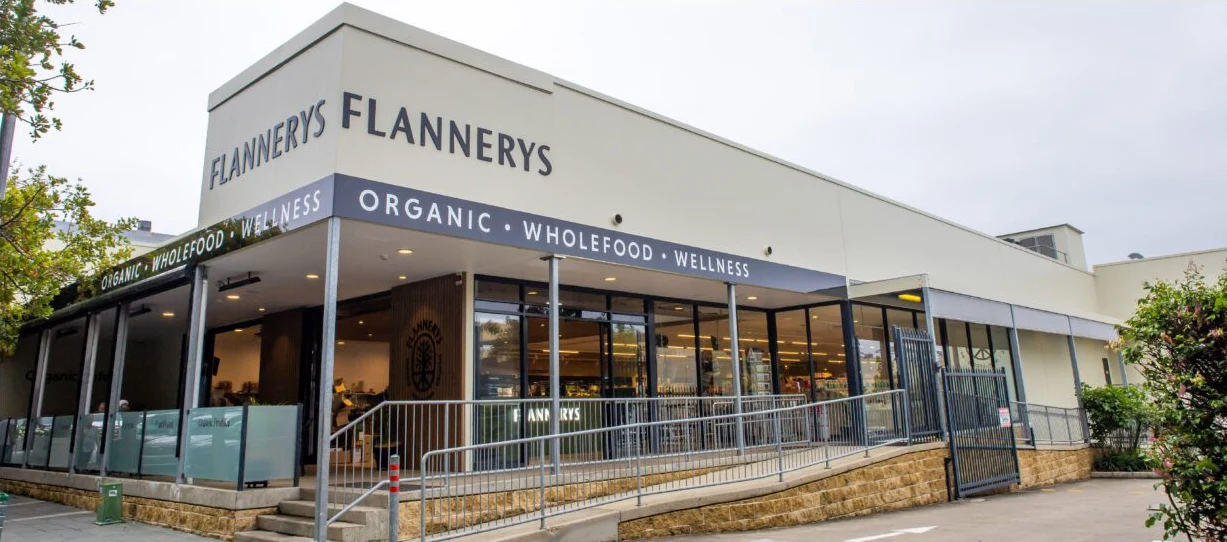
Flannerys’ offer extends beyond the products on its shelves. It combines certified organic produce and specialist dietary products with free in-store advice from naturopaths and nutritionists, while supporting local Australian farmers and producers (Flannerys). For the pricing review, the challenge was to recognise that differentiated offer while remaining competitive on the familiar products customers use to judge value.
The pricing challenge was to support that proposition while responding to cost pressures, competition and the different ways customers shopped across the range. A single pricing rule could not adequately address familiar products used to judge store value, specialist products bought occasionally, and products frequently purchased on promotion.
Flannerys asked Pricing Insight to examine its pricing opportunities and develop a practical approach to price optimisation. The brief required more than identifying products that might support a higher price: it required understanding where price competitiveness mattered, how discounts affected realised revenue, and how proposed changes should fit together across the range.
Understanding customers, products and the market
Pricing Insight analysed two years of product-level sales history alongside customer spending behaviour and category performance by store. The work examined differences between frequent, high-spending customers and occasional shoppers, including shopping frequency, basket value and the breadth of products purchased.
Competitor benchmarking added an external view. Pricing Insight compared overlapping products and baskets across specialist organic retailers and mainstream supermarkets, taking account of organic status, pack size and product comparability rather than relying on broad category averages.
The diagnostic also examined how changes in shelf prices and promotional prices related to unit sales and gross margin dollars. This distinction was important: a promotion could generate more sales without providing an attractive margin contribution, while other promotions could improve gross margin dollars despite a lower margin percentage.
Store visits and discussions with staff helped connect the analysis with the customer experience. The resulting recommendations addressed shelf pricing, promotional mechanics, range entry points and the visibility of products that influenced customers’ perceptions of value.
Looking beyond the shelf price
A central finding was that shelf-price positioning and realised selling prices needed to be considered together. Comparisons with competitors’ advertised prices gave a different picture from examining what Flannerys received after its own discounts and promotional activity.
This meant that changing shelf prices in isolation could miss an important part of the commercial problem. Pricing Insight examined the relationship between the everyday price, the depth and frequency of discounts, purchasing behaviour and gross margin contribution.
The work also distinguished products that strongly influenced perceptions of store value from less frequently purchased items. Recommendations considered the role of each product, rather than assuming that all products should carry the same premium or receive the same percentage increase.
Turning the analysis into usable prices
Project Blackbird progressed through staged optimisation. Pricing Insight refined proposed prices and their relationships across product groups and brands, with attention to pack and size architecture.
Data validation was an important part of this process. The team checked current prices and recent price changes, and advised against treating short periods of sales following substantial repricing as a reliable basis for further optimisation. The proposed trial approach called for merchandise-team review, selected products and stores, and subsequent performance evaluation.
In October 2023, Pricing Insight delivered an optimised and harmonised Stage 3 price file covering baby, beauty, bulk, pantry, pet and snack products. It included current selling prices, historical average selling prices, a clearly identified new-price upload column and a category summary.
The practical deliverable was a product-level price file for the business to review and upload, not a requirement to install a new pricing platform. It translated detailed analysis into specific prices that could be managed within Flannerys’ existing operations.
Pricing Insight’s contribution
The Flannerys engagement illustrates how Project Blackbird connects customer behaviour and market evidence with detailed retail pricing decisions. Pricing Insight provided the diagnostic analysis, competitor comparisons and staged price recommendations, helping management consider margin opportunities alongside price perception, promotional effectiveness and consistency across the range.
The work was not a blanket price increase. It was a structured approach to deciding which prices warranted attention, which products required particular care, and how recommendations could be translated into an operational price file.
Explore Project Blackbird price optimisation or contact Pricing Insight to discuss a retail pricing project.
By Ron Wood, Pricing Insight. Photography: Flannerys Mona Vale and Flannerys organic produce.



Let’s work together
Whether you're ready to optimise your pricing or want to explore what's possible, we'd love to hear from you.